

Navigating polyendocrine metabolic ovarian syndrome (PMOS, formerly PCOS) can feel overwhelming at times, but you are not alone, and you are not powerless. One of the most important steps you can take is to build a collaborative relationship with your healthcare provider, where your questions, concerns, and goals are part of the conversation.
Nutritional support, including targeted supplements like inositols, is an area of growing research interest in PMOS management. If you’re curious about exploring these options, preparing for a thoughtful and informed conversation with your provider can make a real difference.
Why It Matters to Talk About Nutritional Support
PMOS is a multifaceted condition, and comprehensive care often includes lifestyle strategies, nutritional approaches, emotional support, and medical management when needed.
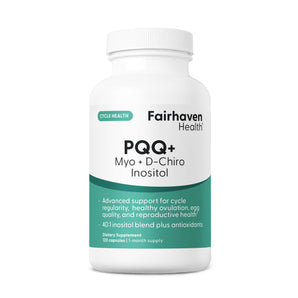
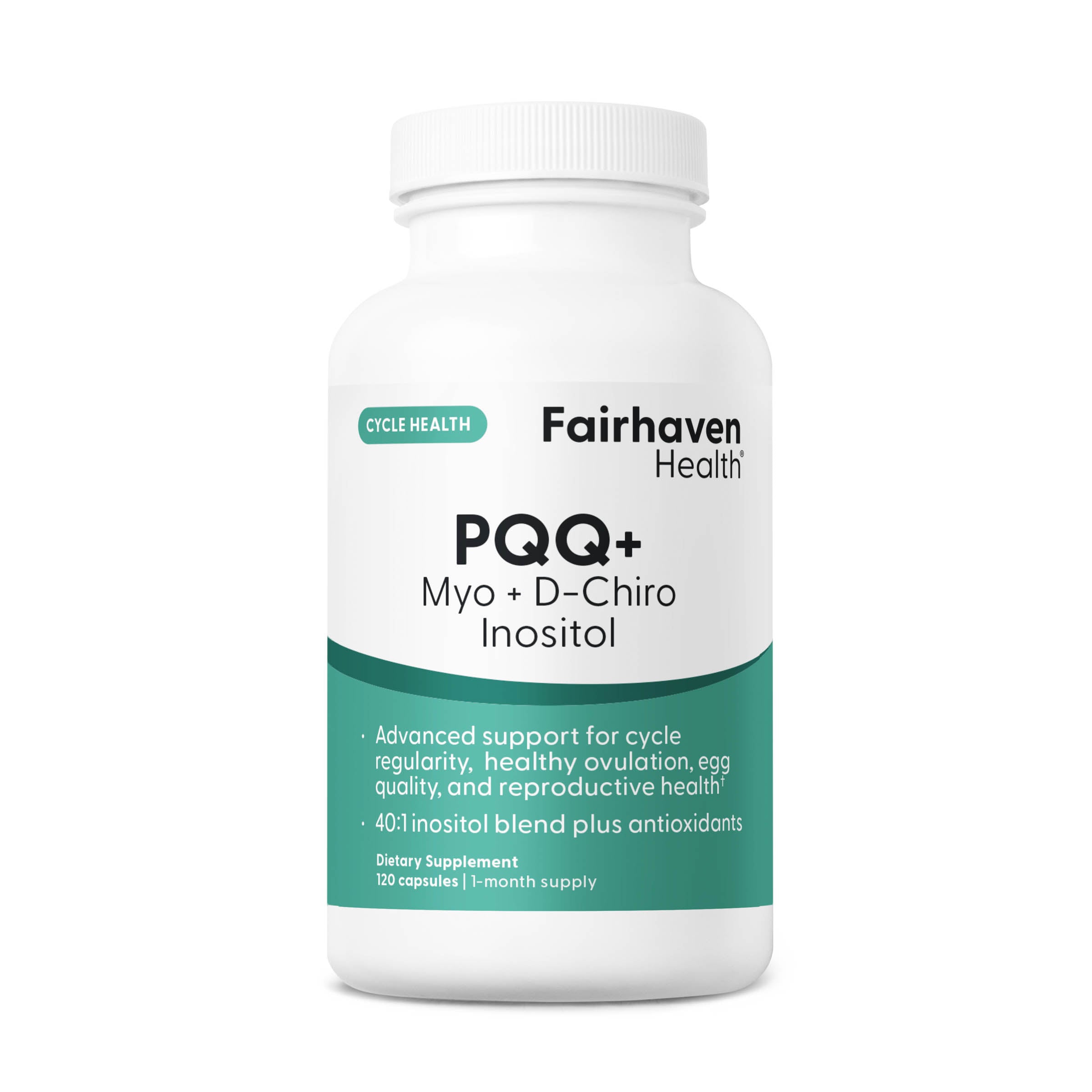
Research has shown that certain nutrients, like myo-inositol and D-chiro inositol, may play a supportive role in promoting insulin sensitivity, hormonal balance, and ovarian health.1 Other nutrients, including alpha-lipoic acid, pyrroloquinoline quinone (PQQ), CoQ10, and astaxanthin, have also been studied for their potential benefits.2-5
Bringing these topics up with your provider ensures that any supplementation fits safely and appropriately into your personalized care plan.
How to Prepare for the Conversation
1. Educate yourself.
Before your appointment, take time to determine what you want to discuss. Knowing the basics about nutritional support for PMOS and the research behind it can help you feel more confident.
2. Write down your questions.
Appointments can go by quickly. Jotting down your key questions ahead of time can help you stay focused. Some ideas might include:
- Could nutritional support like inositols benefit my specific PMOS symptoms?
- Are there any other supplements you recommend or prefer?
- How should nutritional support fit into my overall management plan?
- Are there any tests I should consider before starting supplementation?
3. Share your goals.
Whether your focus is on improving menstrual regularity, supporting metabolic health, or enhancing fertility, letting your provider know what’s most important to you can help guide the conversation.
Sample Questions to Ask
Here are a few more questions you might consider bringing to your appointment:
- "I’ve read about the connection between insulin resistance and PMOS (PCOS). Are there nutritional strategies that could help support insulin sensitivity in my case?"
- "Is there any clinical evidence around myo-inositol and D-chiro inositol supplementation that might apply to my situation?"
- "Are there lifestyle changes or additional supports you recommend alongside any nutritional options?"
These questions demonstrate that you are informed, proactive, and committed to working as a partner in your care.
A Collaborative Approach Is Key
Healthcare decisions are not one-sided. Ideally, your relationship with your provider is a partnership—one where your experiences, values, and insights matter.
Research continues to affirm that small, intentional strategies, from nutrition to targeted supplementation, may positively impact hormonal and metabolic health over time.6 By advocating for yourself and working closely with your provider, you position yourself at the center of your health journey.
You know your body better than anyone else. And when you pair that knowledge with professional guidance, you create a powerful foundation for long-term wellness.
Learn more about inositols:
- Nutrients for PMOS (PCOS) Care: Supporting Hormone Balance, Reproductive Care, and Metabolic Health*
- Myo-Inositol for Fertility and Menstrual Health: Choosing the Right Product for You
- Myo-inositol: A Fertility Tool for PMOS (PCOS) and Beyond
- Myo-Inositol and D-Chiro Inositol: The Key to Regular Periods, Timely Ovulation, and Egg and Sperm Health
- Understanding PMOS (PCOS): How Nutritional Support Like Inositols May Help
- Natural Approaches to Supporting Hormonal Health in PMOS (PCOS)
- PMOS (PCOS) and Insulin Resistance: What You Need to Know
- How to Talk to Your Healthcare Provider About Nutritional Support for PMOS (PCOS)
- How Myo- and D-Chiro Inositol Play a Role in PMOS (PCOS) Support
- Common Questions About PMOS (PCOS) and Inositol Supplementation
References
1. Nordio M et al. Eur Rev Med Pharmacol Sci. 2012;16(5):575-581.
2. Genazzani AD et al. Gynecol Endocrinol. 2024;40(1):2341701.
3. Zhou Y et al. Journal of Advanced Research. 2024;65:211-226.
4. Liu M et al. Medicine (Baltimore). 2020;99(46):e23130.
5. Xu S et al. Discover Medicine. 2024;1(54).
6. Unfer V et al. Gynecol Endocrinol. 2012;28(7):509-515.