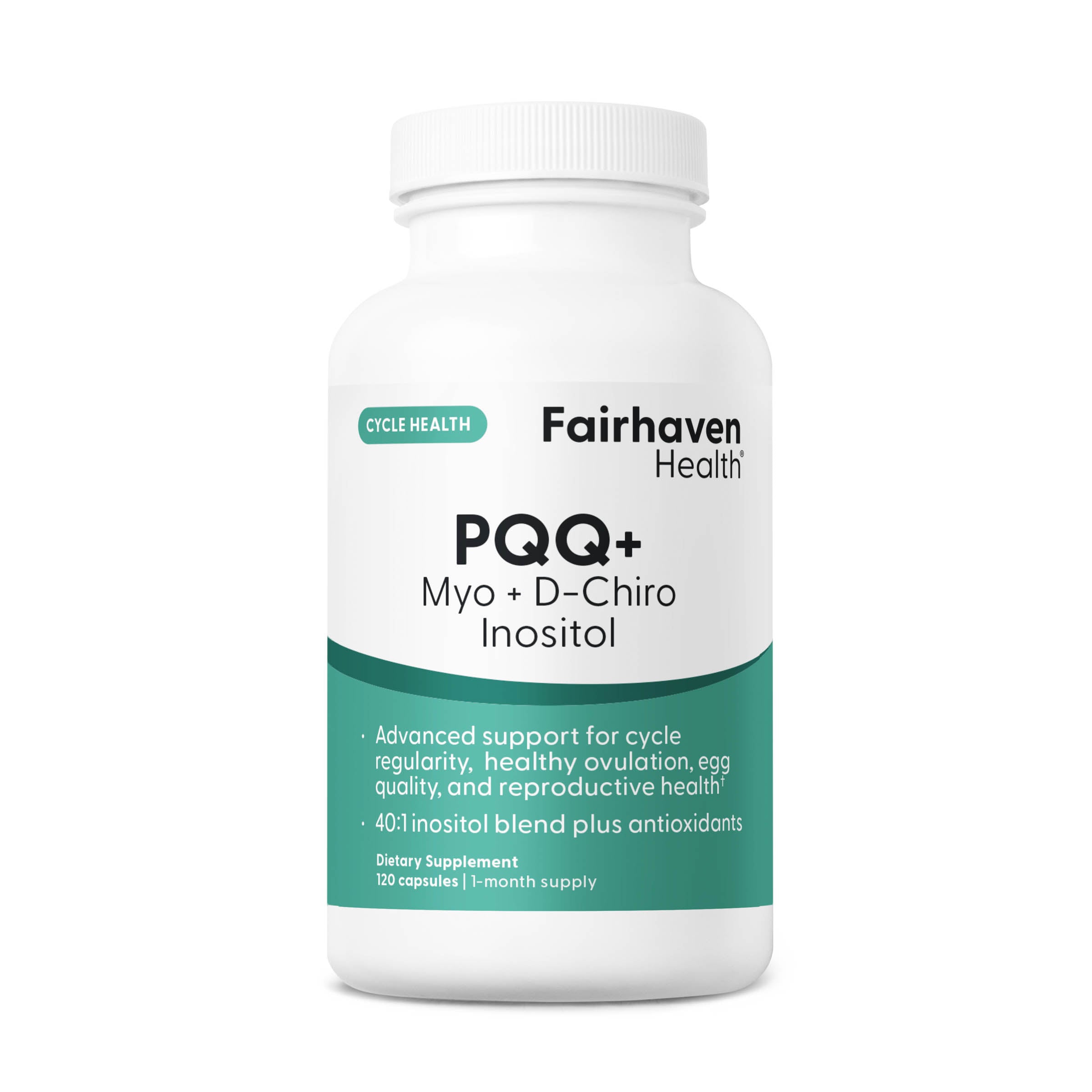


When it comes to understanding nutritional support options for polyendocrine metabolic ovarian syndrome (PMOS, formerly PCOS), two compounds often come up in conversation: myo-inositol and D-chiro inositol. Although they sound similar, these two nutrients play distinct and important roles in cellular health, particularly around insulin signaling and hormone balance.
Emerging research highlights how optimizing inositol levels may provide meaningful support for women navigating PMOS-related challenges. Here’s what you should know.
What Are Inositols?
Inositols are naturally occurring, vitamin-like compounds found in foods such as fruits, beans, grains, and nuts. They are involved in a variety of cellular processes, especially those that regulate how cells respond to hormones like insulin.
There are several forms of inositol, but myo-inositol and D-chiro inositol are the two most studied in the context of metabolic and reproductive health.
How Myo-Inositol affects PMOS
Myo-inositol is the most abundant form found in the body. It serves as a critical messenger in insulin signaling pathways, helping cells respond appropriately to insulin.
In the context of PMOS, where insulin resistance is common, supporting healthy myo-inositol levels may help:
- Promote more balanced insulin activity1
- Support normal ovarian function and ovulation2
- Encourage hormonal balance over time
Clinical studies have shown that supplementing with myo-inositol alone can lead to improvements in ovulatory frequency and markers of metabolic health in women with PMOS.2
PMOS and D-Chiro Inositol: The Second Messenger
D-chiro inositol is a form that plays a slightly different role. It is involved in insulin-mediated glucose uptake and may also help regulate androgen production.
Research suggests that D-chiro inositol may:
- Assist in supporting healthy blood sugar metabolism3
- Influence the balance of male hormones (androgens) in women with PMOS3
However, because D-chiro inositol is less abundant in the body, supplementing with it alone may not always deliver optimal benefits without the support of myo-inositol, particularly in a ratio of 40:1.
Why the 40:1 Ratio Matters
The human body naturally maintains a ratio of approximately 40 parts myo-inositol to 1 part D-chiro inositol in most tissues. Research suggests that supplementation reflecting this physiological balance may offer the most effective support for women with PMOS.4
Clinical trials using this combination have reported significant improvements in ovulatory function, insulin sensitivity, and overall metabolic health markers.
How Inositols Fit Into a Holistic Approach
Inositols are just one part of a broader PMOS management strategy that might include nutrition, physical activity, stress management, and personalized medical care.
Supplementation should always be discussed with a healthcare provider to ensure it fits your individual health needs and goals.
The Bottom Line
Myo-inositol and D-chiro inositol are two important allies in supporting hormonal and metabolic health, particularly for women navigating the complexities of PMOS.
Understanding their distinct roles as well as how they can work together empowers women to make more informed choices about their health journey.
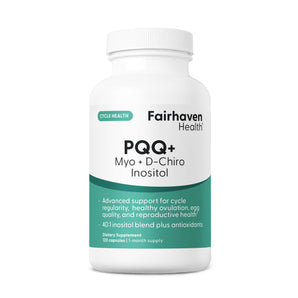
For women experiencing irregular cycles, ovulatory dysfunction, or age-related decline in reproductive function—particularly those with PMOS—PQQ+ Myo + D-Chiro Inositol offers effective, natural support for hormonal regulation, reproductive cell health, and metabolic balance.*
Learn more about inositols:
- Nutrients for PMOS (PCOS) Care: Supporting Hormone Balance, Reproductive Care, and Metabolic Health*
- Myo-Inositol for Fertility and Menstrual Health: Choosing the Right Product for You
- Myo-inositol: A Fertility Tool for PMOS (PCOS) and Beyond
- Myo-Inositol and D-Chiro Inositol: The Key to Regular Periods, Timely Ovulation, and Egg and Sperm Health
- Natural Approaches to Supporting Hormonal Health in PMOS (PCOS)
- PMOS (PCOS) and Insulin Resistance: What You Need to Know
- How to Talk to Your Healthcare Provider About Nutritional Support for PMOS (PCOS)
- Understanding PMOS (PCOS): How Nutritional Support Like Inositols May Help
- Common Questions About PMOS (PCOS) and Inositol Supplementation
References
1. Unfer V et al. Gynecol Endocrinol. 2012;28(7):509-515.
2. Gerli S et al. Eur Rev Med Pharmacol Sci. 2003;7(6):151-159.
3. Gambioli R et al. Biomedicines. 2021;9(10):1378.
4. Nordio M et al. ur Rev Med Pharmacol Sci. 2012;16(5):575-581.