

Polyendocrine metabolic ovarian syndrome (PMOS, formerly PCOS) is one of the most common hormonal conditions affecting women of reproductive age. It can influence everything from menstrual cycles and fertility to skin health and metabolism. While PMOS can feel overwhelming, understanding what’s happening in your body and knowing there are ways to support your health are powerful first steps.
Everyone’s experience with PMOS is different. Some women may have irregular periods; others might notice symptoms like acne, weight changes, or hair growth patterns. Many women discover they have PMOS while seeking answers about fertility or other health changes.
The good news: Science continues to uncover ways to better understand and support hormonal and metabolic health. And small, consistent actions, from nutrition to lifestyle changes, can make a real difference over time.
What Is PMOS?
PMOS is a common hormonal disorder that affects millions of women globally. Common symptoms of PMOS include:
- Irregular or missed menstrual periods
- Signs of elevated androgens, like acne or excess facial/body hair
- Multiple small follicles (cysts) on the ovaries visible on an ultrasound
- Challenges with blood sugar and insulin regulation
However, not every woman with PMOS will have all of these symptoms. PMOS is a spectrum, and symptoms can vary widely from person to person.
While the exact cause of PMOS isn’t fully understood, factors like genetics, insulin resistance, and low-grade inflammation are believed to contribute to its development.
Why Insulin Sensitivity Matters
One of the most important underlying issues in PMOS is insulin resistance, a condition where the body's cells don't respond normally to insulin. When insulin levels are elevated, it can trigger the ovaries to produce more androgens, potentially disrupting ovulation and leading to fertility issues along with many other symptoms associated with PMOS.
Supporting healthy insulin function is a key part of many PMOS management strategies, and this can include nutrition, physical activity, stress management, and, in some cases, targeted nutritional support.
How Inositols Support PMOS for Hormonal and Metabolic Health
Inositols are naturally occurring compounds involved in insulin signaling and other cellular functions. Two forms in particular, myo-inositol and D-chiro inositol, have been studied for their potential to support health pathways relevant to PMOS.
- Myo-inositol is linked to healthy hormone balance and ovarian function.
- D-chiro inositol helps regulate glucose metabolism and may influence androgen levels.
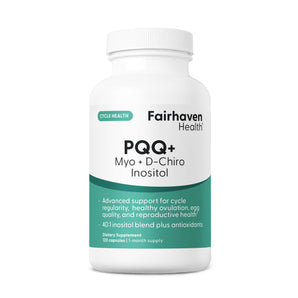
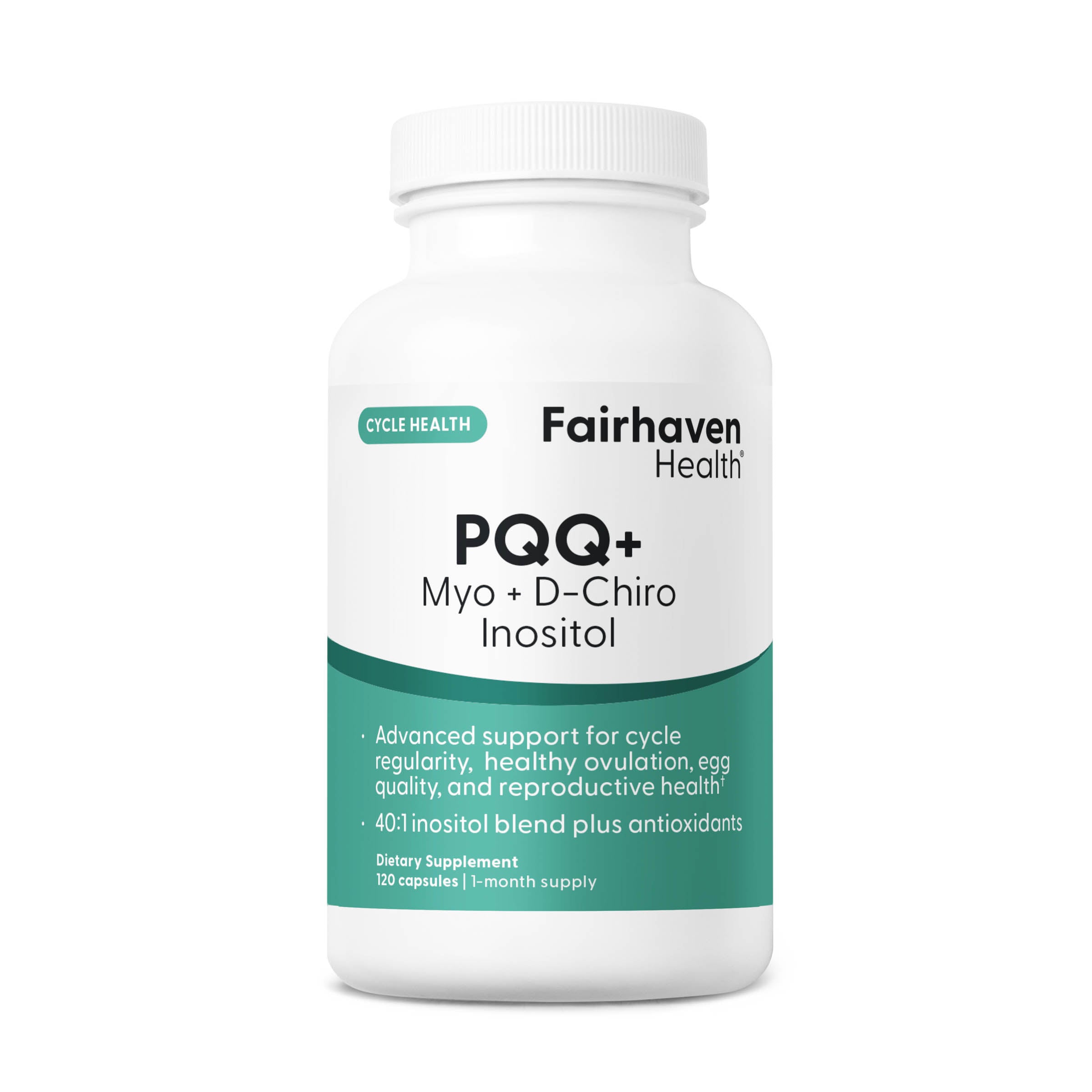
Clinical research suggests that supplementing with inositols, especially in a 40:1 ratio of myo- to D-chiro inositol, may support hormonal balance, promote menstrual regularity, and improve metabolic markers in women with PMOS.1,2