

Polyendocrine metabolic ovarian syndrome (PMOS, formerly PCOS) is often thought of as a reproductive health condition, but at its core, it is closely linked to metabolic health, particularly insulin resistance.
Understanding the role of insulin in the body and how it relates to PMOS can empower women to make informed choices that support both hormonal and metabolic well-being over time.
What Is Insulin Resistance?
Insulin is a hormone produced by the pancreas that helps regulate blood sugar levels by signaling cells to absorb glucose for energy.
Insulin resistance occurs when the body's cells become less responsive to insulin's signal. In response, the body produces even more insulin in an attempt to maintain normal blood sugar levels.
Over time, this elevated insulin can have widespread effects, including promoting excess androgen production in the ovaries, contributing to irregular menstrual cycles, and increasing the risk for metabolic complications.1
The Insulin–PMOS Connection
Research shows that a significant percentage of women with PMOS experience some degree of insulin resistance; estimates range from 50% to 70%.2 This connection may help explain why PMOS is associated not only with hormonal symptoms but also with increased risks for type 2 diabetes, cardiovascular disease, and metabolic syndrome.
Elevated insulin levels can:
- Stimulate ovarian androgen production
- Disrupt normal ovulatory cycles
- Contribute to weight gain, particularly around the abdomen
- Increase systemic inflammation
Understanding this metabolic component highlights why supporting insulin sensitivity is a key part of a holistic approach to PMOS care.
Signs of Insulin Resistance in PMOS
Not all women with PMOS have insulin resistance, and not everyone with insulin resistance will have obvious symptoms. However, some potential signs may include:
- Difficulty losing weight despite healthy habits
- Unusual fatigue, especially after meals
- Increased cravings for carbohydrates
- Skin changes such as acanthosis nigricans (darkened patches, often on the neck or underarms)
Formal testing by a healthcare provider, such as fasting insulin levels, oral glucose tolerance tests, or HbA1c levels, can provide a more complete picture.
Strategies to Support Insulin Sensitivity
While managing insulin resistance can feel daunting, there are several research-supported steps that may help:
- Balanced nutrition: Focus on whole foods rich in fiber, lean proteins, healthy fats, and complex carbohydrates.
- Consistent physical activity: Even moderate exercise improves insulin sensitivity.3
- Weight management, if appropriate: Research shows that even small reductions, around 5%, in body weight can improve metabolic markers and menstrual regularity.4
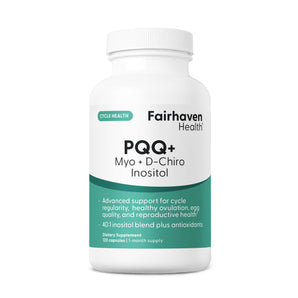
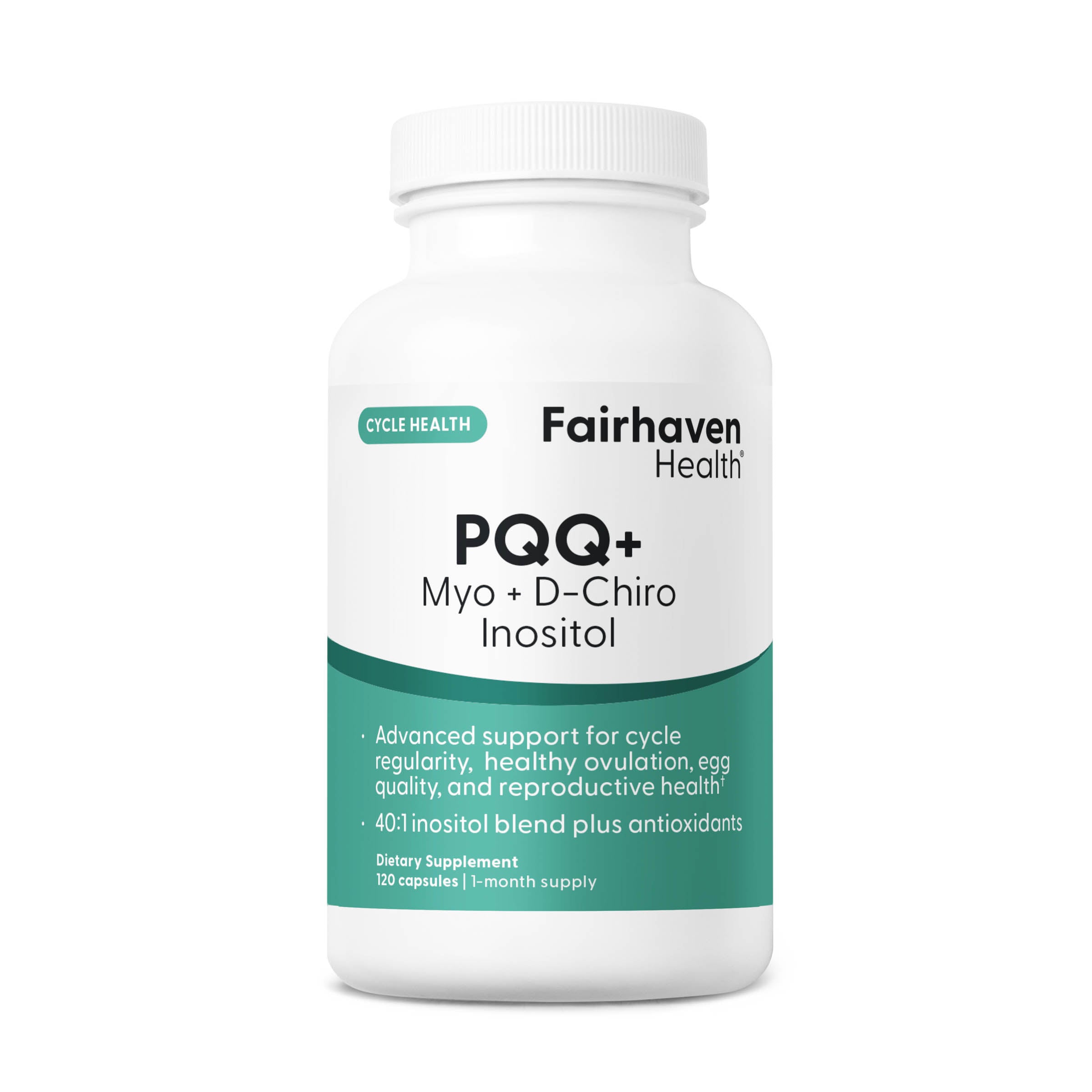
- Targeted nutritional support: Nutrients such as myo-inositol, D-chiro inositol, alpha-lipoic acid, pyrroloquinoline quinone (PQQ), CoQ10, and astaxanthin have been studied for their potential to assist insulin signaling pathways.5-9
No one strategy works for everyone, but incremental changes, practiced consistently, can add up to powerful transformations over time.
Moving From Knowledge to Action
Understanding the connection between insulin resistance and PMOS reframes the conversation: It’s not simply about managing symptoms; it’s about supporting overall health for the long term. Every informed choice, whether it’s a nourishing meal, a walk around the block, or a conversation with a healthcare provider, becomes a tool for building a healthier future.
Learn more about inositols:
- Nutrients for PMOS (PCOS) Care: Supporting Hormone Balance, Reproductive Care, and Metabolic Health*
- Myo-Inositol for Fertility and Menstrual Health: Choosing the Right Product for You
- Myo-inositol: A Fertility Tool for PMOS (PCOS) and Beyond
- Myo-Inositol and D-Chiro Inositol: The Key to Regular Periods, Timely Ovulation, and Egg and Sperm Health
- Understanding PMOS (PCOS): How Nutritional Support Like Inositols May Help
- Natural Approaches to Supporting Hormonal Health in PMOS (PCOS)
- How to Talk to Your Healthcare Provider About Nutritional Support for PMOS (PCOS)
- How Myo- and D-Chiro Inositol Play a Role in PMOS (PCOS) Support
- Common Questions About PMOS (PCOS) and Inositol Supplementation
References
1. Dunaif A. Endocr Rev. 1997;18(6):774-800.
2. Diamanti-Kandarakis E et al. Endocr Rev. 2012;33(6):981-1030.
3. Lass N et al. J Clin Endocrinol Metab. 2011;96(11):3533-3540.
4. Moran LJ et al. Cochrane Database Syst Rev. 2011;(7):CD007506.
5. Unfer V et al. Gynecol Endocrinol. 2012;28(7):509-515.
6. Genazzani AD et al. Gynecol Endocrinol. 2024;40(1):2341701.
7. Zhou Y et al. Journal of Advanced Research. 2024;65:211-226.
8. Liu M et al. Medicine (Baltimore). 2020;99(46):e23130.
9. Xu S et al. Discover Medicine. 2024;1(54).