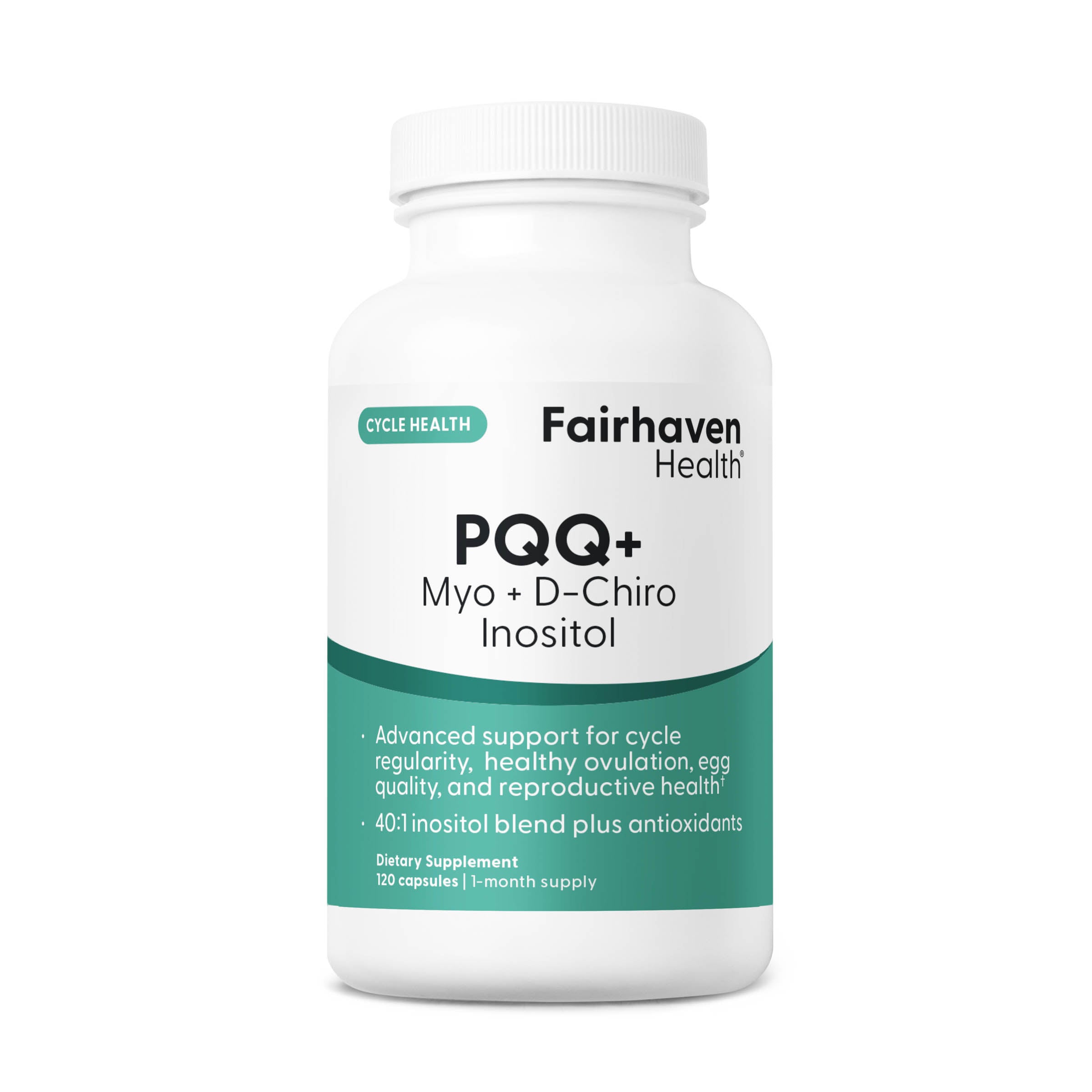


As conversations around polyendocrine metabolic ovarian syndrome (PMOS, formerly PCOS) grow, so does curiosity about natural ways to support hormonal and metabolic health. Inositol supplementation, particularly supplementing with myo-inositol and D -chiro inositol, has emerged as an area of growing clinical interest.
Here we answer some of the most common questions women ask about PMOS and inositol, backed by current research.
What is inositol?
Inositol is a naturally occurring compound that plays an important role in cellular signaling, especially in insulin and hormone pathways. It is sometimes referred to as a "vitamin-like" substance, although the body can produce it on its own.
There are several forms of inositol, but myo-inositol and D-chiro inositol are the two most studied in the context of PMOS.1
How are myo-inositol and D-chiro inositol different?
- Myo-inositol is involved primarily in insulin signaling and supporting ovarian function.
- D-chiro inositol helps regulate glucose metabolism and androgen production.
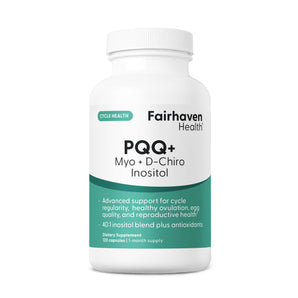
The forms work in different but complementary ways. Research suggests that combining them in a 40:1 ratio, mimicking the body's natural balance, may provide the most effective support for women with PMOS.2
Can inositol supplements support hormonal balance in PMOS?
Emerging research suggests that supplementation with myo-inositol and D-chiro inositol may:3
- Promote more regular menstrual cycles
- Support ovulatory function
- Improve insulin sensitivity
- Help balance androgen levels
However, it's important to understand that myo- and D-chiro inositol are not treatments or cures for PMOS. They are one potential tool among many for supporting overall hormonal and metabolic health.
How long does it take to see benefits from inositol supplementation?
Clinical studies often evaluate inositol supplementation over a period of 12 weeks or longer.4 However, individual responses can vary. Some women may notice changes sooner, while for others, benefits may be more gradual.
Consistency over time, paired with broader lifestyle support, appears to be key.
Are inositol supplements safe?
Studies have shown that myo-inositol and D-chiro inositol are generally well-tolerated when used at clinically studied doses.5 Mild gastrointestinal upset has occasionally been reported. As with any supplement, it’s important to talk with a healthcare provider before starting, especially if you have underlying health conditions or are taking medications.
What nutritional or lifestyle strategies can support hormonal health alongside inositols?
Lifestyle strategies remain foundational. These include:
- Balanced, nutrient-dense meals
- Consistent physical activity
- Stress management practices
- Adequate sleep
Nutrients like alpha-lipoic acid, pyrroloquinoline quinone (PQQ), CoQ10, and astaxanthin have also been studied for their potential supportive roles.6-9
Final Thoughts
Inositol supplementation offers a promising avenue of support for women managing PMOS, but it is only one piece of the picture. Health is multifaceted, and the best approaches are personalized, evidence-informed, and built on a foundation of care for the whole self.
Learn more about inositols:
- Nutrients for PMOS (PCOS) Care: Supporting Hormone Balance, Reproductive Care, and Metabolic Health*
- Myo-Inositol for Fertility and Menstrual Health: Choosing the Right Product for You
- Myo-inositol: A Fertility Tool for PMOS (PCOS) and Beyond
- Myo-Inositol and D-Chiro Inositol: The Key to Regular Periods, Timely Ovulation, and Egg and Sperm Health
- Understanding PMOS (PCOS): How Nutritional Support Like Inositols May Help
- Natural Approaches to Supporting Hormonal Health in PMOS (PCOS)
- PMOS (PCOS) and Insulin Resistance: What You Need to Know
- How to Talk to Your Healthcare Provider About Nutritional Support for PMOS (PCOS)
- How Myo- and D-Chiro Inositol Play a Role in PMOS (PCOS) Support
References
1. Unfer V et al. Gynecol Endocrinol. 2012;28(7):509-515.
2. Nordio M et al Eur Rev Med Pharmacol Sci. 2012;16(5):575-581.
3. Gerli S et al. Eur Rev Med Pharmacol Sci. 2003;7(6):151-159.
4. Papaleo E et al. Gynecol Endocrinol. 2007;23(12):700-703.
5. Pizzo A et al. Gynecol Endocrinol.2014;30(3):205-208.
6. Genazzani AD et al. Gynecol Endocrinol. 2024;40(1):2341701.
7. Zhou Y et al. Journal of Advanced Research. 2024;65:211-226.
8. Liu M et al. Medicine (Baltimore). 2020;99(46):e23130.
9. Xu S et al. Discover Medicine. 2024;1(54).