

Polyendocrine metabolic ovarian syndrome (PMOS, formerly PCOS) is often described as a hormonal condition, but its impact reaches far beyond the reproductive system. PMOS can influence metabolic health, insulin sensitivity, inflammation, and emotional well-being.
While there is no single solution, growing research shows that lifestyle choices, including nutrition, movement, and targeted nutritional support, can play powerful roles in promoting balance and resilience. Small, intentional changes can, over time, support your health in meaningful ways.
How Diet Affects PMOS
Nutrition is often one of the first areas discussed when exploring PMOS support. Dietary patterns that focus on steady blood sugar levels, anti-inflammatory foods, and nutrient density may help promote hormonal balance and support metabolic health:1
- Emphasize whole foods: Prioritize fruits, vegetables, lean proteins, healthy fats, and fiber-rich carbohydrates.
- Balance meals: Including protein, fat, and fiber with each meal may help maintain steady blood sugar levels.
- Limit highly processed foods: Reducing intake of refined sugars and highly processed carbohydrates may support insulin sensitivity.
Several studies suggest that even moderate improvements in dietary patterns can lead to better menstrual regularity and reduced symptoms in women with PMOS.2
Polyendocrine Metabolic Ovarian Syndrome
Physical Exercise
Physical activity plays a key role in supporting insulin sensitivity, cardiovascular health, and emotional well-being, all areas that can be affected by PMOS.
- Aim for consistency over intensity: Activities like walking, strength training, yoga, and swimming can all provide benefits.
- Focus on enjoyment: Choosing activities you enjoy increases the likelihood of making movement a lasting habit.
Research indicates that regular physical activity improves insulin sensitivity independent of weight loss, suggesting that movement itself is a powerful therapeutic tool.3
Stress Management: Hormonal Health Beyond Diet and Exercise
Chronic stress can affect cortisol levels, inflammation, and hormonal signaling, factors that may further complicate PMOS symptoms.
Incorporating daily stress-reduction strategies such as deep breathing exercises, mindfulness meditation, journaling, and nature walks may support more balanced hormone function and emotional health over time.4
Managing stress isn't about eliminating challenges; it's about building resilience and finding small moments of calm each day.
Targeted Nutritional Support: Exploring Inositols and Beyond
In addition to lifestyle strategies, some women explore targeted nutritional support. Myo-inositol and D-chiro inositol, for example, are two nutrients being studied for their potential roles in supporting insulin sensitivity and ovarian function.5
Other nutrients, such as alpha-lipoic acid, pyrroloquinoline quinone (PQQ), CoQ10, and astaxanthin have also been studied for their potential to support hormonal and metabolic pathways associated with PMOS.6-9
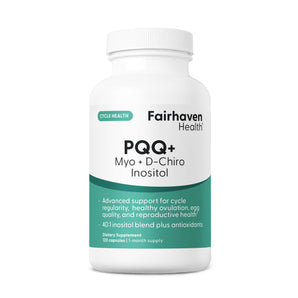
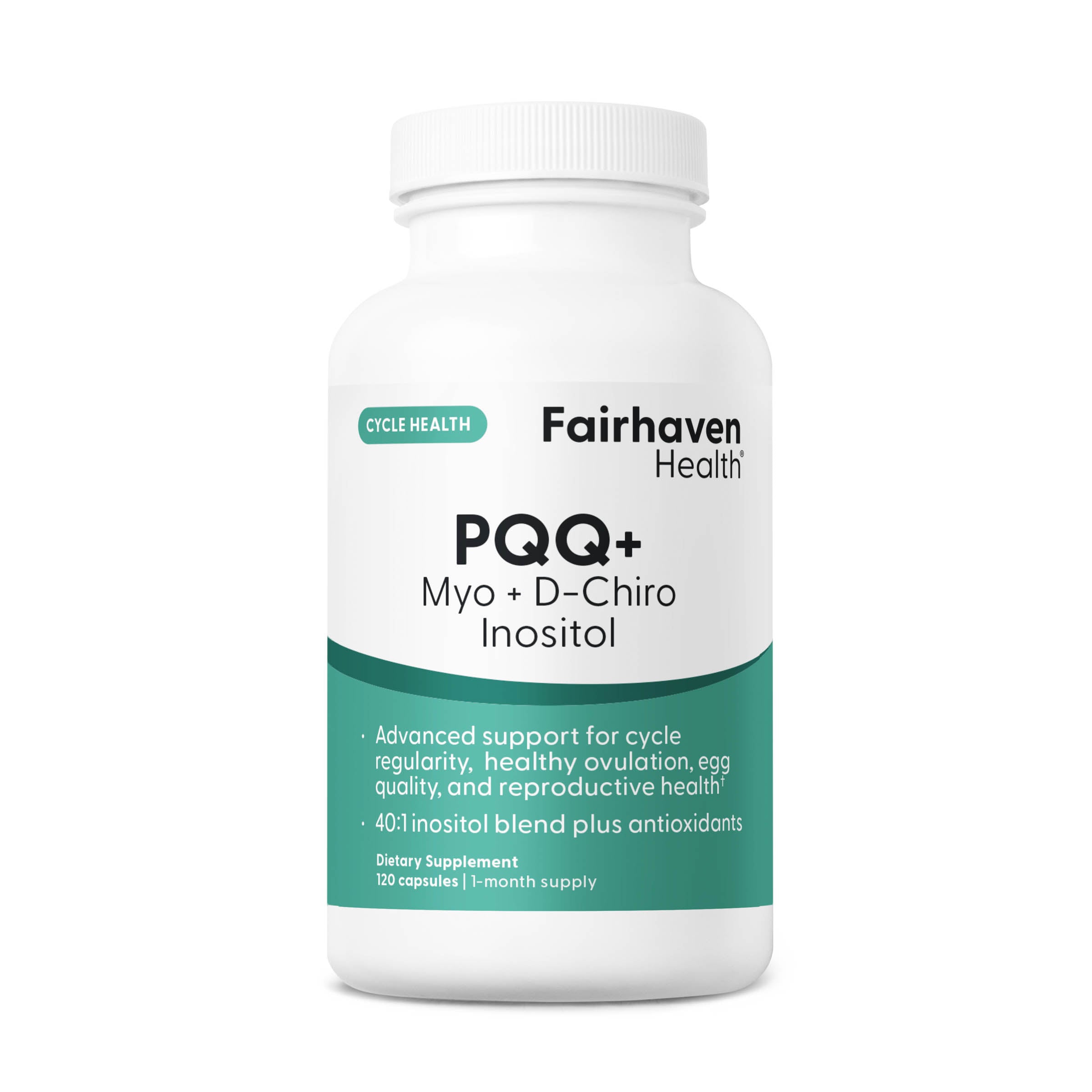
Developed for women with PMOS, PQQ+ Myo + D-Chiro Inositol from Fairhaven Health is made with a blend of myo-inositol, D-chiro inositol, and PQQ to provide advanced support for cycle regularity, healthy ovulation, egg quality, and reproductive health.*
As always, it's important to consult with a healthcare provider to personalize any supplementation strategy to your specific needs.
You Have the Power to Influence Your Health
PMOS can feel daunting at times, but science continues to affirm that there are steps you can take and that small changes, practiced consistently, can add up to real improvements.
Learn more about inositols
- Nutrients for PMOS (PCOS) Care: Supporting Hormone Balance, Reproductive Care, and Metabolic Health*
- Myo-Inositol for Fertility and Menstrual Health: Choosing the Right Product for You
- Myo-inositol: A Fertility Tool for PMOS (PCOS) and Beyond
- Myo-Inositol and D-Chiro Inositol: The Key to Regular Periods, Timely Ovulation, and Egg and Sperm Health
- Understanding PMOS (PCOS): How Nutritional Support Like Inositols May Help
- PMOS (PCOS) and Insulin Resistance: What You Need to Know
- How to Talk to Your Healthcare Provider About Nutritional Support for PMOS (PCOS)
- How Myo- and D-Chiro Inositol Play a Role in PMOS (PCOS) Support
- Common Questions About PMOS (PCOS) and Inositol Supplementation
References
1. Douglas CC et al. Fertil Steril. 2006;85(3):679-688.
2. Marsh K et al. Br J Nutr. 2005;94(2):154-165.
3. Thomson RL et al. Am J Obstet Gynecol. 2008;199(3):329.e1-329.e5.
4. Shobeiri F et al. Pajouhan Scientific Journal. 2018;16(4):46-52.
5. Nordio M et al. Eur Rev Med Pharmacol Sci. 2012;16(5):575-581.
6. Genazzani AD et al. Gynecol Endocrinol. 2024;40(1):2341701.
7. Zhou Y et al. Journal of Advanced Research. 2024;65:211-226.
8. Liu M et al. Medicine (Baltimore). 2020;99(46):e23130.
9. Xu S et al. Discover Medicine. 2024;1(54).