

Feeling tired, bloated, and depressed, with zero sex drive? To top it all off, that huge bowl of mac and cheese you had for a midnight snack didn't even begin to make you feel full? An acne outbreak has made your face look like a moonscape, but doesn't begin to cover the developing dark mustache you shaved off yesterday? And ovulation and menstruation are only distant memories? If this is you, you probably have polyendocrine metabolic ovarian syndrome (PMOS, formerly PCOS). But take heart, you are not alone and you can find a healthier, happier and maybe even pregnant you, using the Rule of 5…starting right now.
PMOS is a very common medical disorder that affects up to 20% of reproductive-aged women in the United States. It is the leading cause of infertility in women under 35. Women with PMOS have difficulty becoming pregnant due to hormonal imbalances, and also experience serious bodywide symptoms due to improper insulin regulation and sugar metabolism. These women often have irregular menstrual periods, acne, stubborn abdominal weight gain, excessive hair growth on the face, thinning scalp hair, depression and abnormal ovarian function ("cysts"). Women with PMOS are also at risk for Type 2 diabetes, high cholesterol, high blood pressure and heart disease.
The causes of PMOS seem to include a complex mix of genetic and environmental factors; however, the medical community is conflicted on how to identify the disease, what causes the condition, how to diagnose and treat it, and even what to call it!
Polyendocrine metabolic ovarian syndrome (PMOS) is the new name for polycystic ovary syndrome (PCOS).
This rename follows an unprecedented multistep global consensus process led by Monash University and spanning 14 years, 56 patient and professional organizations, and input from over 22,000 stakeholders across all world regions. The paper was simultaneously presented at the European Congress of Endocrinology.
The PCOS label systematically anchored the condition within reproductive and gynecological framing, obscuring its well-documented metabolic, cardiovascular, and endocrine dimensions.
Specific concerns included:
- The inaccurate implication of pathological ovarian cysts
- Delayed and fragmented diagnosis due to ovarycentric framing
- Underrecognition of insulin resistance across all phenotypes, including nonobese presentations
- Elevated cardiometabolic risk profiles that require proactive screening beyond reproductive care
Symptoms of PMOS
Because it is critical for women to know if they have PMOS, and to receive appropriate therapies as early as possible, let's review the common PMOS symptoms:
- Acne
- Weight gain and trouble losing weight (especially around the belly)
- Thicker and darker facial hair and hair on the chest, belly, and back
- Thinning hair on the scalp
- Irregular periods or no periods
- Inability to feel full after eating
- Depression
- Fertility problems
Difficulty conceiving is a very common PMOS complaint. In fact, 30% of all female infertility is due to PMOS, most commonly because women don't ovulate or ovulate so irregularly that they miss their conception window.
The Rule of Five
OK, now that we know a little about what PMOS is and why it is a crummy thing for women in general, and especially for women who want to get pregnant, let's talk about beating PMOS using the Rule of 5.
The authors of the bestselling book, Chicken Soup for the Soul, Jack Canfield and Mark Victor Hansen, developed the Rule of 5 when they were trying to get their now famous book on the bestseller list. When the book was just an unknown entity, with a quirky format, things weren't going well. They were getting too much information from different sources on how to market their book. Instead of this being helpful, they found themselves with "decision fatigue," which caused them to become inactive and ineffective in their marketing.
When people have access to too much information and don't know which input will be helpful, it becomes difficult to prioritize actions. Our nature can then be to shut down and not do anything at all, rather than to risk doing the wrong thing. When Canfield and Hansen were in this spot, they decided they could take five actions every day toward their goal of creating a bestseller. They knew they couldn't do everything, but they could do five things a day, and the "Rule of 5" was born. Using this method, they were able to monitor which of the five daily actions helped them find the small victories that over time led to having an iconic #1 Bestseller!

Managing PMOS to find better health and to become pregnant is the perfect situation for using the Rule of 5. Here is the good news about PMOS: PMOS often responds quickly to specific lifestyle changes and health-related actions.
- Overweight women do not have to lose 50 pounds to increase their fertility. In fact, for every 2 pounds a woman with PMOS loses, her time to conceive decreases by six days.
- Women with PMOS do not have to go on rigid raw-food starvation diets. They can improve their health and fertility using vitamin and antioxidant supplements and eating the same number of calories but choosing more protein and fat and lower glycemic index (GI) foods over sugary carbohydrates. Eating two cups of popcorn (GI=6) versus a blueberry muffin (GI = 30) while watching TV? You can do that!
- PMOS patients typically respond within two to six weeks to lifestyle and diet changes with more energy, improved ovulation rates (and, therefore, increased chances of conception), and healthier hormone levels.
Okay, let's look at specific daily steps you can take to manage your PMOS symptoms. You don't need to do all of these at once. But rather use this list of recommended lifestyle improvements to choose your five daily actions for tomorrow, and then the day after, and then the next. By choosing five actions each day, you will make steady progress towards your goal of improved health and fertility.
Here we go!
Have sex at least once a week.

Orgasms increase the healthy sex hormone production that controls ovulation. Women who have sex at least once a week have more consistent hormone cycles and ovulate more frequently. Alone or with a partner, reach orgasm at least once a week.
Take action: Give date night a whole new meaning. If Sunday is rolling around and you haven't gotten to it, get 'er done! Designate a "TV-free" night each week to focus on intimacy. Whatever, however…you can do this once a week.
Become an expert on your cycle.
Understanding what is going on with your menstrual cycle is critical for women with PMOS. But unfortunately it is just too easy to forget when we had our last period. We also may not know what is normal. Charting your cycle every day at the same time will help you get a handle on this. Women with a longer time between periods usually have more severe forms of PMOS and should undergo testing and treatment sooner. For reference, most women have a period every 29 days, but this may vary within 7 days either way for an individual woman (e.g. between 21 and 35 days). The average period is 6 days long with 2 days each of light, medium, and heavy bleeding. Women with PMOS often have longer cycles and/or have abnormally long or short bleeding. If your cycle calendar is very different from "normal," talk to a doctor about PMOS.
If you are trying to conceive, charting your cycle will help you determine when ovulation is likely to happen. And using ovulation prediction devices alerts couples as to when baby-making sex should occur to have fresh sperm ready and waiting for the egg. For more information on ovulation prediction, check out my article: A Needle in Hay Stack . . .Finding Your Most Fertile Day.
Take action: Learn about fertility charting by reading 10 pages each day from Toni Weschler's best-selling book, Taking Charge of Your Fertility. Find an ovulation prediction tool that works for you or cervical mucus charting to pinpoint when to have baby-making intercourse.
Ensure that your eggs are healthy.
Learning about your cycle and knowing when you ovulate is a big step toward improving your reproductive health. But once you have that figured out, you also need to make sure that your eggs are healthy enough for conception to take place. After ovulation, the egg immediately starts to age. While eggs can typically be fertilized for up to 24 hours following release, women with PMOS have increased levels of oxidative stress and inflammation that can accelerate egg aging. Research indicates that supplementing your diet with antioxidant nutrients, such as CoQ10 and N-acetyl-cysteine, can protect your body from oxidative stress and promote egg health.
Many women with PMOS also have low levels of other vitamins, and, for this reason, it is recommended that all women with PMOS take a daily multivitamin. The following vitamins are especially valuable for women with PMOS, to improve mood, help trigger weight loss, and to improve menstrual regularity, ovulation, and fertility: calcium, vitamin D, folic acid, zinc, iron, selenium, vitamin E, and myo-inositol.
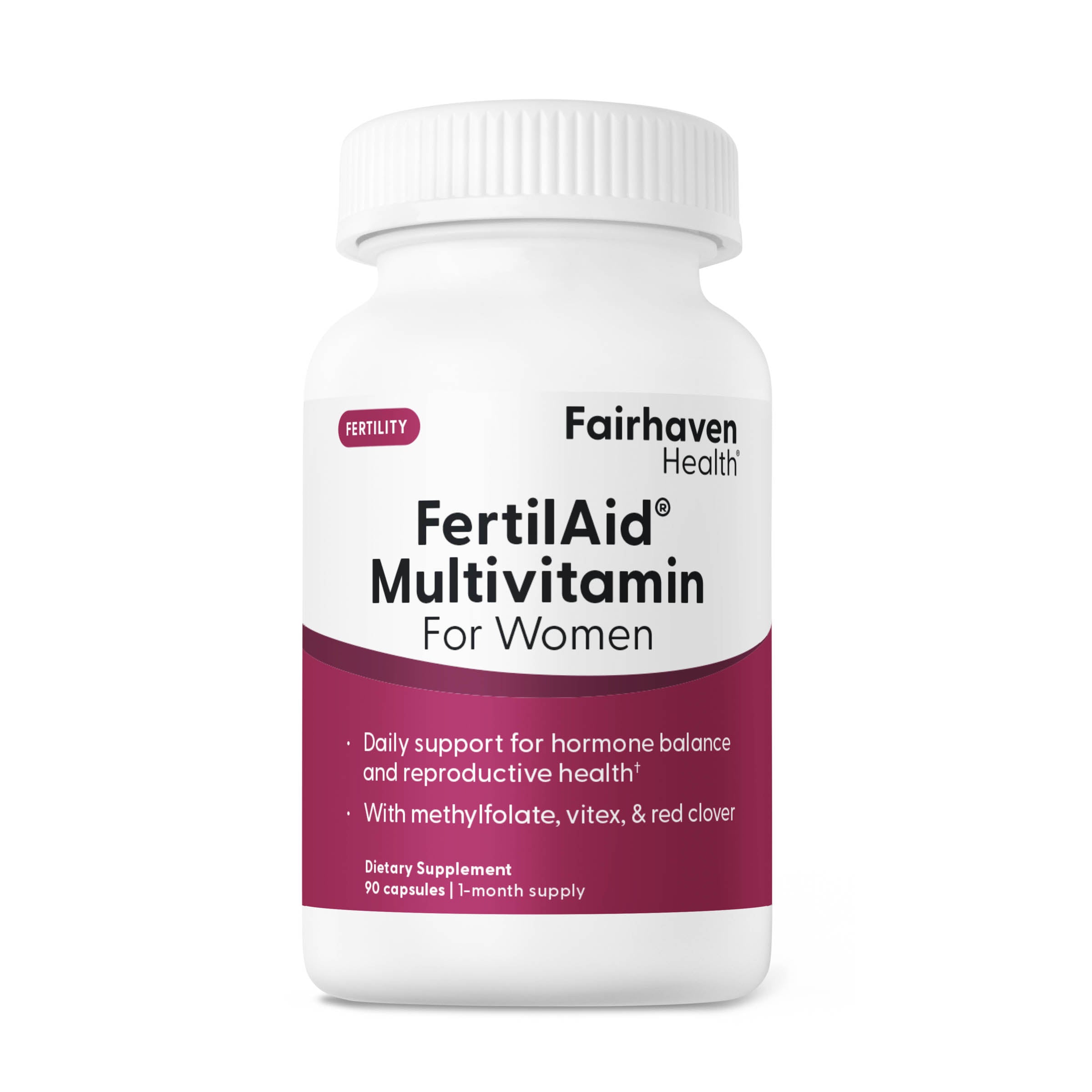
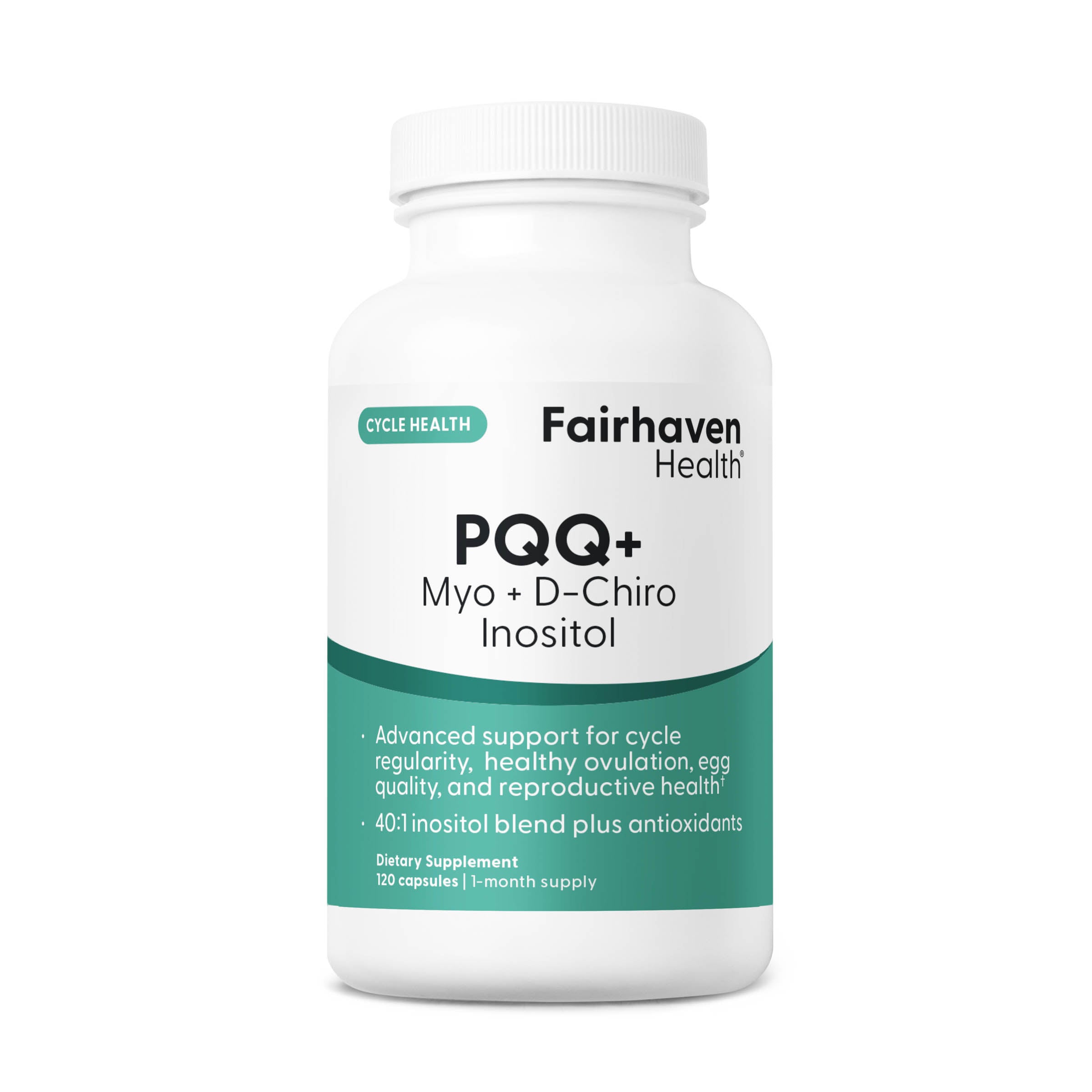
Take action: The Fairhaven Health products FertilAid® Multivitamin For Women, OvaBoost® For Women, and Myo-Inositol provide an easy way to incorporate the nutrients discussed above. Daily supplementation can be an easy one of your five daily actions!
Ditch the sugary carbs.
According to numerous studies, diets with a low glycemic index and lower sugary carbs result in significant improvements in fertility outcomes, menstrual regularity, and mood for women with PMOS. This is true even when the overall calories between the diets are the same. A super easy way to get to a low-carb, higher protein diet is to go "paleo" or "primal." It's okay to start slowly and gradually transition your diet. Take a food that you love, for example pad Thai, and search for “pad Thai paleo recipes.” This will generate a list of recipes with more protein and lower carbs than a "normal" pad Thai recipe.
One way to get yourself on board with this change is to eat anything you want that is considered paleo or primal: fruit, grain-free chocolate chip cookies, sweet potato chips, hamburger patties dipped in paleo barbecue sauce…Eat it all. By not feeling restricted in your food choices, you might find it easier to decrease the grain consumption that causes blood sugar crashes and oxidative stress in our bodies.
Ditching the carbs doesn't mean going crazy about your diet. Try to choose low-glycemic or grain-free foods consistently, but you don't have to choose them always. We eat about 20 meals a week. Make 15 of those meals grain-free or low-glycemic to start beating PMOS. And remember that fat and protein make us feel full, so choose meat or nut snacks before grabbing the box of crackers.
Take action:Choose at least one grain-free meal a day. (Hint: Gluten-free is not grain-free. While gluten-free diets may have some health benefits, they can be very high in carbs and sugar.) Search the Internet for paleo versions of your favorite dishes and give them a try. Print the glycemic index chart and keep it in your car and kitchen. When you need sugar, eat Audrey Hepburn's go-to snack: a square of a dark chocolate bar. Try smothering this in almond butter. The high fat will make you feel full.
Find something you love to do, AKA "sneak in" some exercise.
Nothing makes me want to sit down on a couch more than someone saying I need to exercise. That said, moving the body a minimum of three times a week for 45 minutes improves fertility, hormone levels, and mood in PMOS women. The best way to do this when we feel fat and depressed is to find something we enjoy doing that involves being on our feet. Volunteer at the humane society to walk dogs; buy a latte and spend a fantasy $1,000 on shoes strolling through the mall; go to Home Depot and design your perfect kitchen through all the different departments; volunteer at the local food bank.
Get up, get out of the house and do good or have fun. Just make sure whatever you choose is on your two feet and doesn't involve sitting. One day a week is better than no days a week, and three is better. Just don't call it exercise!
Take action:Think of something you love that you aren't doing now. Find a place to volunteer or a hobby that requires you to move. Once you realize how easy this is to do, increase the frequency to two or three times a week.
A bad day with PMOS means sitting around feeling bloated, ugly, tired, sad and not pregnant. A good day with PMOS means using the Rule of 5 to find five things you can do today to start changing your life. Here is a sample to get you started:
- Make love with your hubby after a long foot massage.
- Start charting your cycle.
- Try taking FertilAid® Multivitamin For Women, OvaBoost® For Women, or Myo-Inositol
- Do playground duty at your kid's school
- Find a paleo version of your favorite recipe and make it for dinner tonight.
By following the Rule of 5, every day can be a step toward restored health. Go for it!
Disclaimer: Please note that the information in this website is an educational resource. All decisions about any treatment you need must be made in consultation with your doctor or your healthcare provider who has examined you. Nothing in this post is meant to be used to diagnose or treat any person.