

By Avni Dalal, ND
Hot flashes and changing periods may be the most recognizable signs of menopause, but they're far from the only changes happening in your body.
Many women notice that maintaining their weight suddenly feels harder, their body shape begins to change, or they lose muscle more easily than they used to. At the same time, another important change may be happening silently: Bone density begins to decline.
These changes aren't simply a matter of “getting older.” Hormonal shifts, like decreased estrogen due to menopause, can affect how the body stores fat, maintains muscle, and rebuilds bone.
Why Does Weight Management Feel Harder in Menopause?
If your usual diet and exercise routine suddenly doesn't seem to work as well as it used to, it’s not in your head.
Research following women through menopause has found that the rate of fat gain increases while lean muscle mass begins to decline during the transition.1 Fat distribution also tends to change, with more fat accumulating around the abdomen and internal organs rather than the hips and thighs.2
That doesn't necessarily mean menopause suddenly shuts down your metabolism. Aging, activity level, sleep, diet, and genetics all play a role. In fact, researchers continue to debate how much menopause itself changes resting metabolic rate.3
What we do know is that the combination of less muscle and more visceral fat can make metabolic health increasingly important.
Muscle is metabolically active tissue and plays an important role in glucose regulation, mobility, strength, and healthy aging. Losing muscle can therefore change both how your body functions and how much energy it uses.
Estrogen and Bone Health: The Connection You Can't See
While changes around your waistline may feel easy to notice, changes in your bones aren't.
Bone is constantly being remodeled. Specialized cells remove older bone while others build new bone in its place. Estrogen helps keep this process balanced.
When estrogen levels decline during menopause, bone breakdown begins to outpace bone formation. The result is a gradual decline in bone mineral density, which can begin before your periods completely stop.
Research from the Study of Women's Health Across the Nation (SWAN) found that bone loss begins approximately one year before the final menstrual period and is fastest from one year before through two years afterward.4
Over time, declining bone density can contribute to osteoporosis and greater fracture risk, making perimenopause an important time to start thinking about bone health—not something to save for your 60s or 70s.
What Can You Do About Metabolism and Bone Health?
Menopause-related changes don't mean you're powerless. One of the most valuable things you can do is strength training. Resistance exercises such as lifting weights, using resistance bands, or performing body-weight movements challenge muscles and bones at the same time. Research supports resistance training for improving strength and physical function after menopause, with evidence suggesting benefits for bone density as well.5,6
Walking, hiking, swimming, dancing, and other weight-bearing activities are also beneficial. Even modest increases in physical activity during the menopause transition have been associated with better preservation of bone mineral density.7
Nutrition matters, too. Prioritize adequate protein throughout the day to help preserve muscle, alongside calcium-rich foods and nutrients involved in bone health, including vitamin D, magnesium, and vitamin K.
And don't underestimate sleep. Menopause-related sleep disruptions can influence hunger, energy, physical activity, and food choices, making healthy metabolic habits harder to maintain.
Can Supplements Help With Bone and Metabolic Shifts in Menopause?
Supplements aren't a substitute for movement or a nutrient-dense diet, but they can help fill gaps or provide additional targeted support.
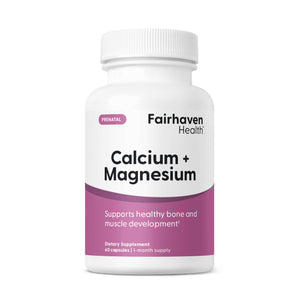
Calcium, vitamin D, magnesium, and vitamin K2 all contribute to maintaining healthy bones. Protein supplements may also be useful for women who have difficulty meeting protein needs through food alone.
Creatine is another nutrient receiving increasing attention for women during and after menopause. A recent meta-analysis found that creatine supplementation—particularly when combined with resistance training—produced small improvements in lean mass and strength in postmenopausal women, although evidence for improving bone density remains to be explored further.8
Soy isoflavones, including genistein, have also been studied and used for bone health. A meta-analysis of clinical trials found that soy isoflavone supplementation may help maintain bone mineral density in postmenopausal women.9
The best choices will depend on diet, medications, health history, and individual needs, so it's always worth discussing supplements with your healthcare provider.
The Bottom Line: A Different Way to Think About Menopause
Menopause isn't simply a hormonal decline—it's a transition that can influence body composition, muscle, bone, and metabolic health for years to come.
Rather than fighting the number on the scale, consider shifting the goal toward building strength, preserving muscle, protecting bone, and supporting metabolic health.
Those changes may not always be visible right away, but they're some of the most important investments you can make in staying strong and healthy for the decades ahead.
Curious to learn more? Read “6 Natural Nutrients for Menopause and Perimenopause Support.”
References
1. Greendale GA et al. JCI Insight. 2019;4(5):e124865.
2. Lovejoy JC et al. Int J Obes (Lond). 2008;32(6):949–958.
3. Marlatt KL et al. Curr Opin Endocr Metab Res. 2025.
4. Greendale GA et al. J Bone Miner Res. 2012;27(1):111–118.
5. Berin E et al. Menopause.2023;30(1):44–54.
6. Hernández-Martínez J et al. Climacteric. 2024;27:274–283.
7. Greendale GA et al. Lancet Reg Health Am. 2023;21:100481.
8. Naddafha S et al. J Int Soc Sports Nutr. 2026;23(1):2668435.
9. Akhlaghi M et al. Crit Rev Food Sci Nutr. 2020;60(14):2327–2341.